
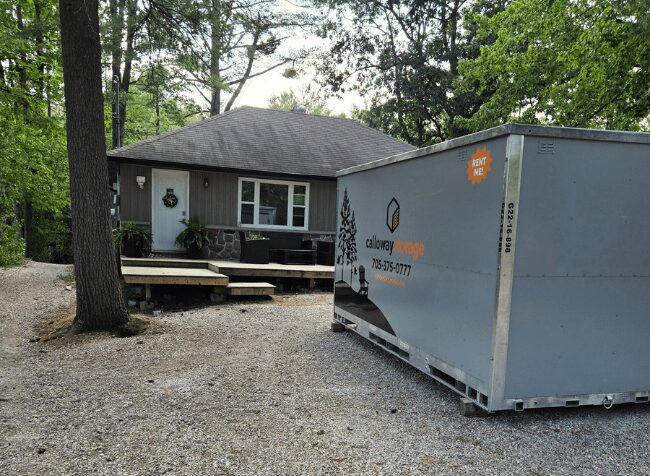
Certain items should never be stored in a storage unit, including food, flammable materials, propane tanks, wet items, and valuable documents. These can create safety risks, attract pests, or cause damage—especially in Muskoka’s changing climate and seasonal storage conditions.
Renting a storage unit seems straightforward—pack your items, lock the door, and you’re done. But many people don’t realize that putting the wrong items into storage can lead to serious problems, from damaged belongings to safety risks and even fines.
A common mistake is assuming, “If it fits, it’s fine.” In reality, storage facilities have rules for a reason—and ignoring them can cost you.
Whether you’re a Muskoka resident or preparing your cottage for the season, here’s what you should never put in a storage unit—and why.
Why aren’t some items allowed in storage units?
Storage restrictions aren’t just about rules—they exist to protect your belongings, other customers, and the facility itself.
Certain items are not allowed in storage units because they can:
- Create fire hazards
- Attract pests
- Leak, rot, or cause damage to surrounding items
- Put facility staff and customers at risk
Understanding why some items can’t be stored helps you avoid damage, prevent safety issues, and make better decisions when packing your unit.
🍗 Can you store food in a storage unit?
It might seem harmless, but storing food in a storage unit is one of the fastest ways to create problems.
Avoid storing:
- Any type of food (even sealed or canned)
- Pet food or bird seed
Food and organic materials attract:
- Mice and rats
- Insects and other pests
In a place like Muskoka—where many properties are surrounded by nature—this risk is even higher. Once pests find their way into a storage unit, the problem can quickly spread to nearby units.
Helpful tip: Vacuum crumbs out of furniture before storing to reduce the risk of attracting pests.
🔥 Can you store flammable or hazardous materials in a storage unit?
Flammable and hazardous materials should never be stored in a storage unit due to serious safety risks.
Do not store:
- Gasoline or diesel
- Propane tanks
- Paint, solvents, or cleaning chemicals
These materials can:
- Ignite in enclosed spaces
- Release dangerous fumes
- Pose significant fire hazards to the facility and nearby units
For Muskoka residents and cottagers, this is especially important. Items like propane tanks for BBQs or fuel for boats and ATVs should always be stored safely outside of a storage unit, following proper safety guidelines.
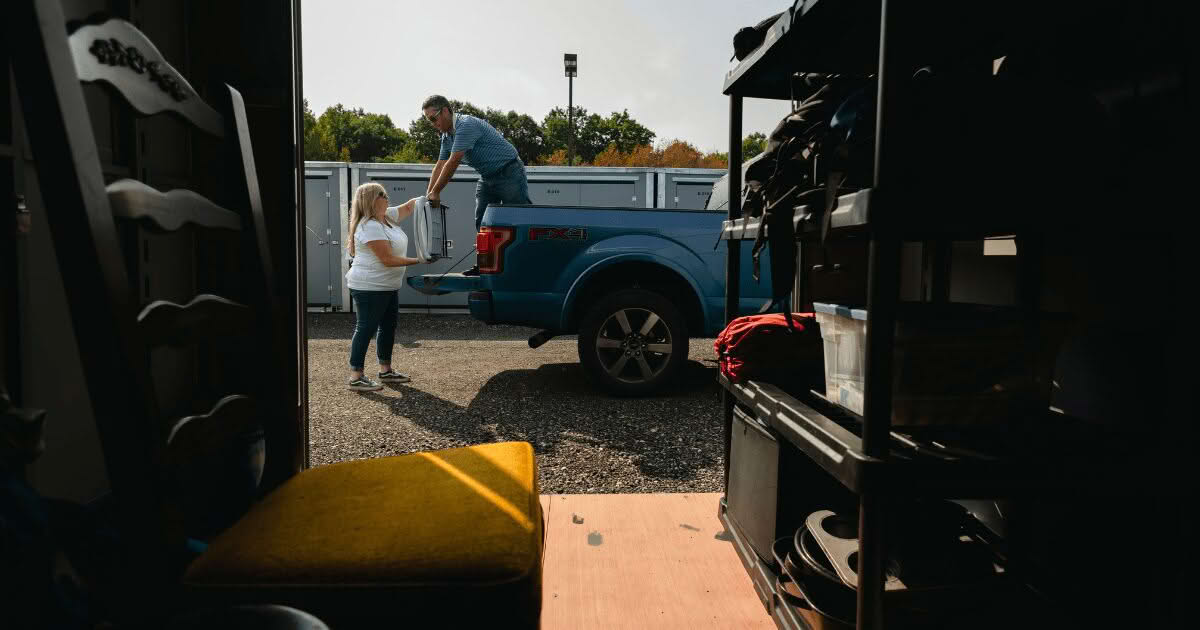
🌡️ Can you store temperature-sensitive items in a storage unit?
Temperature-sensitive items can be damaged in a storage unit, especially in climates with extreme seasonal changes like Muskoka.
Items at risk include:
- Electronics
- Wooden or leather furniture
- Artwork, photos, and important documents
- Candles or other wax-based items
Storage units in Muskoka are exposed to:
- Freezing temperatures in winter
- High humidity in summer
These conditions can lead to:
- Warping and cracking
- Mold and mildew
- Permanent damage to sensitive materials
If you need to store temperature-sensitive items, consider a climate-controlled storage unit or keep them in a more stable indoor environment.
💎 Should you store high-value or irreplaceable items in a storage unit?
High-value or irreplaceable items should not be stored in a storage unit, even if the facility has security measures in place.
Avoid storing:
- Jewelry
- Cash
- Important documents (passports, wills, legal papers)
While many storage facilities offer security features, storage units are not designed to protect items that cannot be replaced. If these items are lost, stolen, or damaged, recovery can be difficult or impossible.
It’s always safer to keep valuable or irreplaceable items at home in a secure safe or in a safety deposit box.
🔧 Can you store wet or dirty items in a storage unit?
Wet or dirty items should not be placed in a storage unit, as moisture and debris can cause damage over time.
Avoid storing:
- Damp furniture
- Wet clothing or rugs
- Dirty equipment
Moisture and dirt can lead to:
- Mold and mildew
- Unpleasant odours
- Damage that can spread to other items in the unit
Before placing anything into storage, make sure it is clean and completely dry—especially after winter use or before closing up a cottage for the season.
❄️ What should you consider when using storage in Muskoka?
Storage needs in Muskoka are different from urban areas due to seasonal living, rural environments, and changing weather conditions.
Common considerations include:
- Seasonal transitions between home and cottage, which can quickly lead to overcrowded spaces
- Outdoor gear like water sports equipment, patio furniture, and tools that need off-season storage
- Increased exposure to pests in rural or wooded areas
- Extreme temperature swings that can affect stored items
Because of these factors, taking extra time to store items properly can help prevent damage, reduce pest issues, and protect your belongings throughout the year.
Conclusion
Knowing what not to put in a storage unit is just as important as knowing how to pack one properly. Avoiding items like food, flammable materials, wet belongings, and high-value items can help prevent damage, reduce safety risks, and save you money over time.
If you’re unsure what can safely go into a storage unit, working with a local provider can help you make the right decisions based on your space, timing, and seasonal needs. For Muskoka homeowners and cottagers, portable storage can be a flexible and convenient solution—especially during seasonal transitions. Calloway Storage provides portable storage options designed to make storing, moving, and managing your belongings easier throughout the year.
FAQs
What items are best suited for portable storage containers?
Portable storage containers are ideal for furniture, seasonal items, household belongings, renovation materials, and business inventory. Many homeowners in Muskoka, Haliburton, Midland, Parry Sound, and Minden use portable storage during moves, cottage transitions, and home improvement projects because containers can be delivered directly to their property for convenient loading and unloading.
Is portable storage a good option during a home renovation?
Yes. Portable storage is one of the most convenient storage solutions during a renovation because it keeps furniture, appliances, and personal belongings protected while creating more working space inside the home. Having a storage container delivered to your property can also reduce the need for multiple trips to a self-storage facility during the renovation process.
Can businesses use storage containers for equipment and contractor storage?
Many contractors and small businesses use storage containers to store tools, equipment, supplies, and seasonal inventory. Portable storage can provide secure, accessible space for construction projects, landscaping equipment, and business materials without the cost of expanding existing facilities.
When should I consider climate-controlled storage instead of standard storage?
Climate-controlled storage may be worth considering for sensitive items such as antiques, electronics, photographs, artwork, musical instruments, and certain types of furniture. In regions like Muskoka and Parry Sound, where temperatures can vary significantly throughout the year, climate-controlled storage can help protect belongings from moisture, humidity, and temperature-related damage.