
Quick Answer
Contractors use storage to keep tools, equipment, materials, and seasonal supplies organized without overcrowding trucks, workshops, garages, or job sites. Portable storage can be particularly useful when contractors need flexible space close to a project, while self-storage can provide a secure location for equipment and materials that don’t need to remain at the job site. The right option depends on how frequently equipment is needed and where it needs to be accessed.
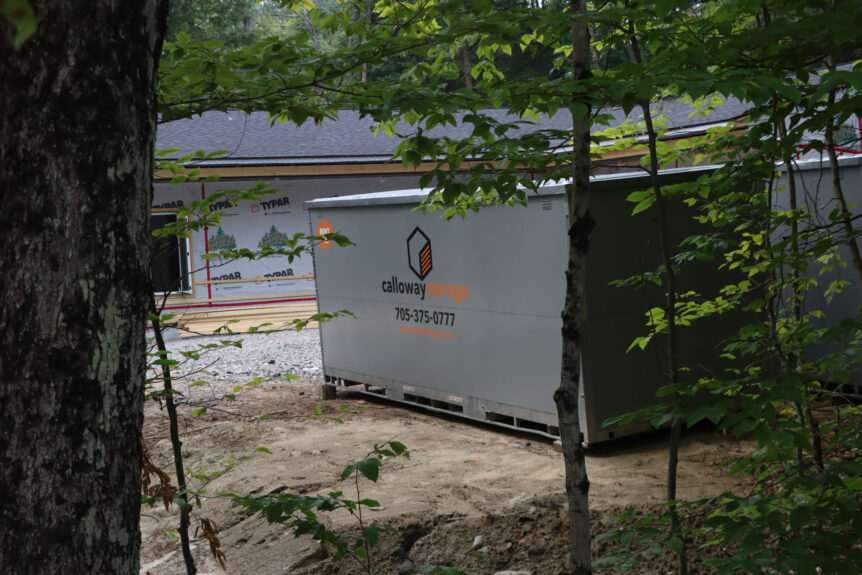
Muskoka contractors use portable storage units to securely store tools, materials, and equipment close to job sites while freeing up space in trucks and workshops. At Calloway Storage, located in Minden, MacTier, and Gravenhurst, Ontario, contractors rely on local units to stay organized, reduce theft risk, and improve daily efficiency during the busy spring and summer building season.
Why do contractors in Muskoka need storage units?
Contractors in Muskoka often work across multiple job sites spread over large rural areas. A storage unit provides a central, secure location to keep tools and materials organized and ready for use without constantly transporting everything.
This is especially important during spring and summer, when construction and renovation activity increases across cottage country.
What tools and materials do contractors store?
Contractors typically use portable storage units to hold:
- Power tools and specialty equipment
- Building materials like lumber, fasteners, and fixtures
- Landscaping tools and seasonal equipment
- Bulk supplies purchased in advance for projects, like windows, cabinets, and major appliances
Keeping these items in storage helps reduce clutter in work vehicles and prevents damage from weather exposure.
How do storage units improve job site efficiency?
Using a portable storage unit nearby allows contractors to stage materials and tools closer to active job sites. Instead of returning to a shop or carrying everything daily, they can quickly access what they need.
This saves time, reduces fuel costs, and helps crews stay focused on the job—especially during peak construction months in Muskoka.
Is tool theft a concern in Muskoka?
Yes—tool and equipment theft is a growing concern across Ontario job sites. According to the Canadian Construction Association, theft of construction equipment costs the industry millions of dollars annually.
Storage units provide an added layer of security compared to leaving tools in trucks or unsecured job sites, helping contractors protect valuable equipment.

Why not store tools in a truck or garage?
While trucks and home garages are convenient, they come with limitations. Vehicles can be targets for theft, and garages often become overcrowded or lack proper organization.
A dedicated storage unit offers more space, better organization, and protection from the weather, making it easier to manage tools and materials long-term.
How can contractors get the most out of a portable storage unit?
To maximize efficiency, contractors should:
- Organize tools by project or trade
- Use shelving to keep items accessible
- Label bins clearly for quick identification
- Keep frequently used tools near the front of the unit
A well-organized storage unit acts like an extension of your workspace, helping streamline day-to-day operations.
Calloway Storage’s three convenient locations provide secure, accessible storage solutions for contractors—making it easier to stay organized, protect your equipment, and keep projects moving efficiently throughout the busy season.
Contractor Storage Checklist
A well-organized storage setup can save time when you’re managing multiple projects. Before loading a storage unit, consider the following:
- Group equipment by project or trade: Keep tools and materials together based on how they are used.
- Label boxes and containers: Clear labels make it easier to find smaller supplies without unpacking everything.
- Keep frequently used items accessible: Place tools and equipment you use most often where they can be reached easily.
- Use shelving where appropriate: Vertical organization can help make better use of available storage space.
- Keep an inventory: Record larger equipment and important supplies so you can quickly see what is available.
- Protect materials from damage: Store equipment and materials appropriately based on their condition and storage requirements.
The goal is to make the storage unit an extension of your existing workspace rather than simply a place to put items you don’t currently need.
FAQ
Can portable storage containers be delivered directly to a construction site?
Yes. Portable storage containers can often be delivered directly to active construction sites, allowing contractors to keep tools, materials, and equipment close to where they are needed. This can reduce transportation time and improve productivity throughout a project.
What types of equipment can be stored in a contractor storage unit?
Contractor storage units are commonly used for power tools, landscaping equipment, generators, ladders, compressors, construction materials, and seasonal equipment. Using dedicated equipment storage helps keep valuable assets protected and organized between projects.
Is contractor storage useful between construction projects?
Yes. Contractor storage can provide a secure place to store tools, materials, and equipment when one project ends and another has not yet begun. This helps free up space in workshops, garages, and vehicles while ensuring equipment remains accessible for future jobs.
Expert Insight From Calloway Storage
For contractors, the value of storage often comes down to accessibility and organization. Equipment that is needed regularly should be easy to reach, while less frequently used tools, seasonal equipment, and materials between projects can be stored without taking up valuable workspace.
We also see storage become particularly useful during busy construction seasons, when contractors may be managing multiple projects at once. Having a dedicated place for equipment and supplies can help keep vehicles, workshops, and project areas more organized.