
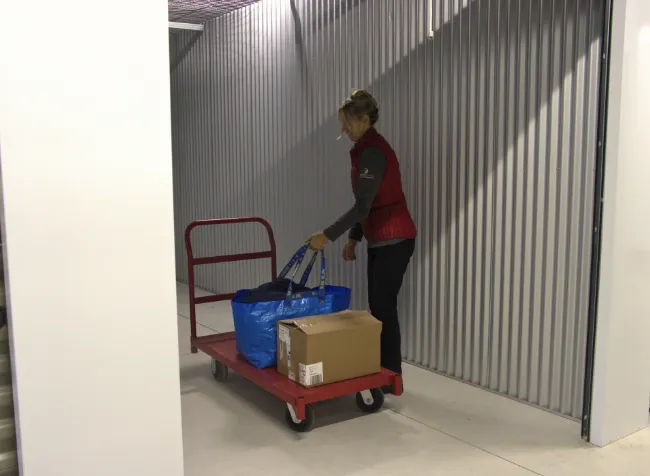
Whether you’re storing furniture during a renovation, keeping seasonal belongings out of the way or putting household items into long term storage during a move, how you pack your storage space matters. Especially when your belongings will be stored for several months or years.
A little preparation can help protect your belongings, improve airflow and make it easier to access what you need later.
These long-term storage tips can be used when packing both self storage units and portable storage containers, with a few additional considerations if your portable container will eventually be transported.
What Is the Best Way to Protect Belongings During Long Term Storage?
For long-term storage, keep belongings clean and dry, use sturdy containers, leave room for airflow and avoid packing items directly against walls or vents. Whenever possible, raise belongings slightly off the floor using shelving, pallets or another suitable base.
For portable storage, you should also think about how your belongings will behave during transportation. Distribute weight evenly, secure items that could move and create a stable, level load.
1. Leave Room for Airflow
It can be tempting to use every available inch of your storage space, but packing everything tightly together isn’t necessarily the best approach for long-term storage.
Leave some space between your belongings and the walls, particularly when storing fabrics, upholstered furniture and other materials that can be affected by moisture. The extra space encourages air movement around your belongings.
You should also never block vents in a storage unit or portable storage container.
If you find yourself having to pack belongings tightly from wall to wall or block airflow just to make everything fit, it may be worth considering additional storage space. In some cases, using a second unit can be a better option than overfilling one. The extra room allows you to pack more carefully, maintain airflow and reduce the risk of items being crushed or damaged by unstable stacks.
When possible, leave a small pathway through your storage space as well. In addition to promoting airflow, this makes it much easier to retrieve something without unpacking the entire unit.
2. Keep Belongings Off the Floor When Possible
Shelving can help you make better use of vertical space while keeping boxes and smaller belongings organized. Pallets or another sturdy base can also be used to slightly elevate belongings from the floor.
This can help encourage airflow around your belongings and provides an additional layer of separation between your items and the storage surface.
Just remember to keep heavier belongings lower and lighter items higher when using shelving.
3. Choose Your Storage Containers Carefully
Cardboard boxes are inexpensive and convenient, particularly for short-term moves. Sturdy plastic totes can be a better choice when belongings are stored for an extended period.
Plastic totes can help protect their contents from dust, debris and incidental moisture. Their consistent shape also makes them easier to stack securely.
If you do use cardboard boxes, choose sturdy boxes in good condition and avoid overfilling them. Clearly label each box on more than one side so you can identify its contents even after everything has been stacked.
Plastic Totes vs. Cardboard Boxes
| Consideration | Plastic Totes | Cardboard Boxes |
| Long-term storage | Well suited | Better for shorter-term needs |
| Stack-ability | Generally consistent | Depends on box condition |
| Dust protection | Strong | Moderate |
| Incidental moisture protection | Better | Limited |
| Labelling | Use labels or tape | Easy to write directly on box |
| Cost | Higher upfront | Usually less expensive |
4. Prepare Furniture Before Storage
Furniture deserves a little extra attention when it is stored for a long time.
Clean and thoroughly dry furniture before putting it into storage. Upholstered furniture may benefit from an appropriate protective covering, but the right material depends on where and how long the item will be stored.
Breathable furniture covers can be useful when airflow is important, while plastic coverings may be appropriate in certain circumstances. Avoid tightly sealing anything that isn’t completely dry, as trapped moisture can potentially cause damage over time.
For larger furniture, consider disassembling pieces when practical. Keep screws, bolts and other hardware together in a labelled bag and attach it securely to the corresponding furniture.
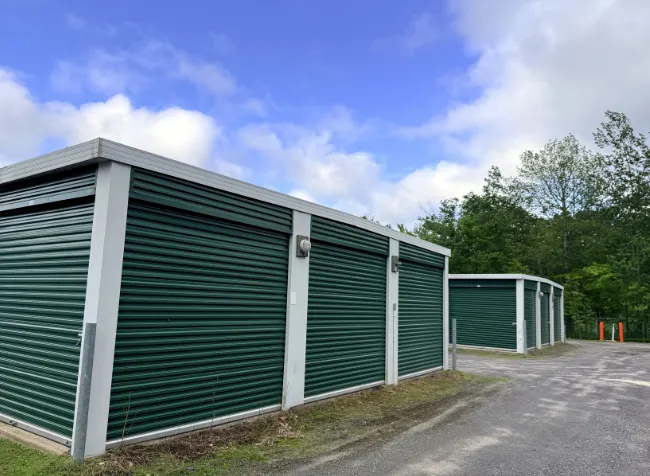
5. Think About What Is Above Your Belongings
When storing belongings outside of a climate-controlled environment, consider how changing temperatures and humidity could affect your storage space over a long period.
Depending on the storage environment, a properly positioned tarp or protective covering can provide an additional barrier above belongings. Rather than wrapping everything tightly, position the covering so that air can still circulate.
The goal is to add protection without unnecessarily trapping moisture around the items you’re trying to protect.
6. Don’t Store Food
Even if it is sealed, food doesn’t belong in a long-term storage container.
Food and other perishable products can attract unwanted pests, create odours and potentially cause damage to surrounding belongings.
Before closing your storage unit or portable storage container, check bags, kitchen boxes, coolers and appliances to make sure food hasn’t accidentally been left behind.
Clean refrigerators, freezers and other food-related appliances thoroughly and allow them to dry before storage. Leaving appliance doors slightly open can also encourage airflow and help prevent stale odours.
7. Consider Insurance for Stored Belongings
Even with careful packing and preparation, unexpected events can happen.
Insurance can provide financial protection against certain losses caused by events such as fire, flooding or theft, depending on the policy and coverage.
Before putting belongings into long-term storage, check whether your existing home, tenant or business insurance provides coverage for belongings stored away from your primary property. If not, consider whether additional storage insurance is appropriate for your situation.
Always review the specific exclusions, limits and requirements of your policy so you understand what is and isn’t covered.
Long-Term Portable Storage Tips
Portable storage adds another consideration: your container may eventually need to move.
A container that is packed well for sitting in your driveway isn’t necessarily packed well for transportation. If your Calloway Storage container will eventually be picked up or transported to another location, keep the following tips in mind while loading it.
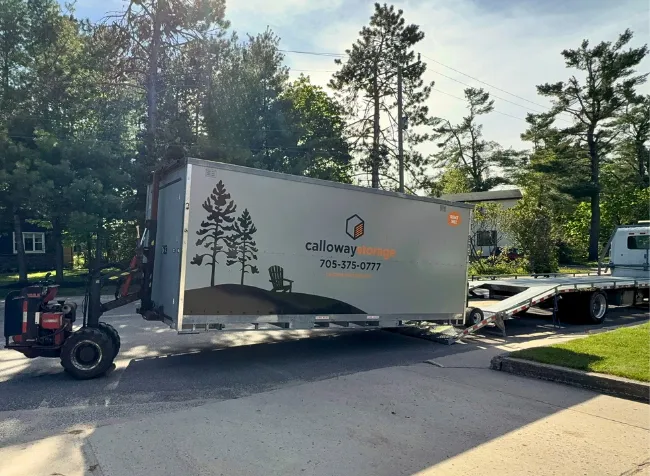
Keep the Weight Balanced
Try to distribute heavy belongings throughout the container rather than concentrating everything along one side.
Keeping the weight balanced helps prepare the container for transportation and can also reduce the likelihood of belongings shifting once the container is moved.
Avoid creating tall, unstable towers of boxes or leaving heavy objects sitting on top of lighter belongings. Pack heavier items first and use smaller boxes or belongings to fill appropriate gaps.
Keeping the overall load relatively level and stable can help prevent items from toppling or shifting when the container is moved.
As you load, think about both sides of the container rather than simply filling from one wall to the other.
Keep Heavy Items Low and Toward the Middle
Large, heavy belongings should generally be positioned low and closer to the middle of the container.
Avoid creating one extremely heavy section while the rest of the container remains relatively light. Proper weight distribution is important when the container is picked up and transported.
It also gives you a more stable foundation for packing lighter belongings around and above heavier pieces.
Use Tie-Downs When Needed
If an item could shift while your portable storage container is being transported, secure it.
Tie-downs can help keep larger belongings in position and reduce movement during transportation. Pay attention to tall furniture, awkwardly shaped items and belongings that could tip or slide.
Don’t rely on tightly packed boxes alone to hold a large item in place.
Long-Term Storage Checklist
Before closing your storage space, ask yourself:
- Are all belongings clean and completely dry?
- Have I left room for airflow?
- Are all vents unobstructed?
- Are boxes and totes clearly labelled?
- Are heavy items stored low?
- Have I removed all food and perishables?
- Is furniture appropriately covered?
- Have I created a pathway if I may need access?
- Do I know what my insurance covers?
- For portable storage, is the weight distributed evenly and are items secured for transportation?
Choosing the Right Storage Option
The right way to store your belongings also depends on where you’re storing them.
Climate self storage can be useful for belongings that may be more sensitive to changing temperatures and humidity. Traditional self storage offers a dedicated space you can visit when you need access to your belongings. Portable storage allows the storage space to come directly to your property, making it particularly useful for moving, renovations and projects where you want to load at your own pace.
Calloway Storage offers self storage and portable storage options for homeowners, cottage owners, businesses and contractors across Central Ontario.
Not sure which option makes sense for what you’re storing? Our team can help you compare your options.
Long-Term Storage FAQs
Can I store furniture long term?
Yes. Furniture can be stored long term when it is properly prepared. Clean and completely dry furniture before storage, consider disassembling larger pieces and use an appropriate furniture cover. Leaving space around upholstered belongings can also help maintain airflow.
Are plastic totes better than cardboard boxes for long-term storage?
Plastic totes are often a good choice for long-term storage because they are sturdy, stackable and provide greater protection from dust, debris and incidental moisture. Good-quality cardboard boxes can still be useful, particularly when properly packed and kept dry.
Should I leave space between my belongings in a storage unit?
Yes. Leaving some space between belongings, walls and vents helps encourage airflow. Avoid packing the unit so tightly that air cannot circulate or vents become obstructed.
How should I pack a portable storage container that will be moved?
Distribute weight throughout the container, keep heavy belongings low and toward the middle, secure items that could shift and avoid creating unstable stacks. Pack with transportation in mind from the beginning rather than reorganizing everything before pickup.
Should I insure belongings in storage?
It’s worth reviewing your insurance coverage before placing valuable belongings into long-term storage. Coverage varies between policies, so check with your insurance provider to determine whether belongings stored away from your home or business are covered and what exclusions or limits apply.
Make Long-Term Storage Easier With Calloway Storage
Whether you need extra space for a few months or you’re looking for a longer-term storage solution, proper preparation can help keep your belongings organized and protected while they’re stored.